 TH
TH EN
EN
What is Coconut Sugar?
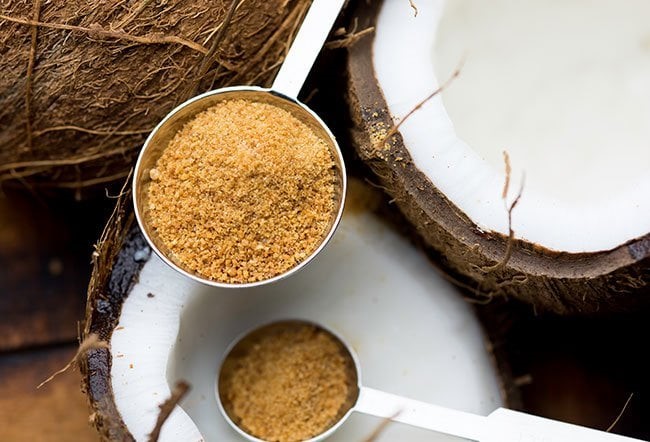
Coconut sugar is a natural sugar. The source of it is the sap of flower buds in the coconut palm tree. Making of coconut sugar is a natural process that involves two main steps. First, the liquid sap collected via a cut made on the flower of the coconut palm. Then this sap is left under moderate heat to evaporate most of its water content. Coconut sugar has caramel colour and tastes like brown sugar. It is granulated, and the particle size is variable.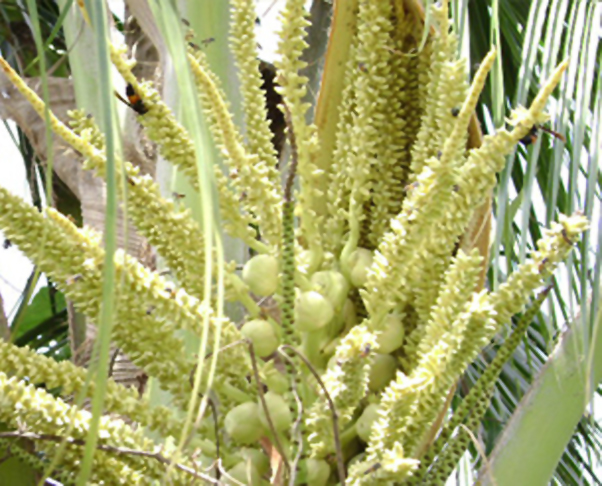


Coconut sugar is a popular sweetener in many vegan diets because it is plant-based and minimally processed. People feel it is more nutritious than regular table sugar. In reality, coconut sugar is almost identical to regular cane sugar in terms of nutrients and calories and is not a very healthy option to consume.
What are the differences between coconut sugar and refined sugar?
The differences between one tablespoon of coconut sugar and refined sugar are compared below:
| Table. The nutrients of coconut sugar vs. refined sugar (1 tablespoon) | ||
| (1 tablespoon) | Coconut Sugar | Refined Sugar |
| Calories | 45 kCal | 48 kCal |
| Carbohydrates | 12 g | 12.6 g |
| Sugar | 12 g | 12.6 g |
| Fiber | 0 g | 0 g |
| Fat | 0 g | 0 g |
| Protein | 0 g | 0 g |
Additionally, coconut sugar has a low Glycemic Index count, ranking 35 on the index as opposed to regular table sugar that ranks between 60 to 65. Also, coconut sugar contains less fructose than more refined sugar.
4 health benefits of coconut sugar
Although people claim that coconut sugar is an extremely healthy option to consume, scientifically, not many differences have been observed when compared with cane sugar.The proposed health benefits of coconut sugar include:
- Prevents low blood sugar:This is not exclusive to coconut sugar but common in all forms of sugar consumed. The body primarily relies on glucose for energy. Like brown sugar and white sugar, coconut sugar can help increase blood glucose levels and prevent conditions such as low blood sugar or hypoglycemia.
- Lowers the risk of sudden blood sugar spike: This is mainly seen in coconut sugar because of the presence of inulin in it which is the slow-dissolving fiber. Because of it, a sudden increase in blood sugar levels does not occur after coconut sugar consumption, making it a healthy choice especially for people with diabetes.
- Good source of minerals:Because the amount of minerals present in coconut sugar is extremely less, which is not sufficient to fulfill the requirements of our body, you will have to consume a ridiculously high amount of coconut sugar to meet the mineral requirements. However, it is still considered an added advantage.
- Antioxidant properties:Coconut sugar has some antioxidants that keep oxidative stress of our body in check and maintain a good cardiovascular system.
What are the potential risks of coconut sugar?
Because coconut sugar is similar to table sugar and high in empty calories, it shares common harmful effects such as obesity, calorie excess, and weight gain.Thus, it is better to consume coconut sugar in moderation to avoid unhealthy weight gain and consequential increased risk of diseases such as diabetes, liver diseases, and cardiovascular diseases
